STORY: THE NIGHT THE FREEZERS TURNED INTO OVENS
On the night of 11 October 2026, staff at hundreds of French supermarkets walked in to find their freezers blowing hot air. Attackers had taken over Danfoss refrigeration controllers and pushed temperatures as high as 50°C. Food worth millions of euros went in the bin. Some stores had fires.
Nothing about the attack was exotic. Danfoss said many of the hijacked controllers were end-of-life units on outdated firmware, units it had already told customers to update or replace. Researchers had published the weaknesses two months earlier. Even after the attack, Reuters found more than 4,500 of these interfaces still reachable from the open internet.
Every fix was known. Every fix was boring. Nobody gets promoted for patching a freezer controller, and nobody gives a conference talk about retiring an old box in a store back room. So it did not get done.
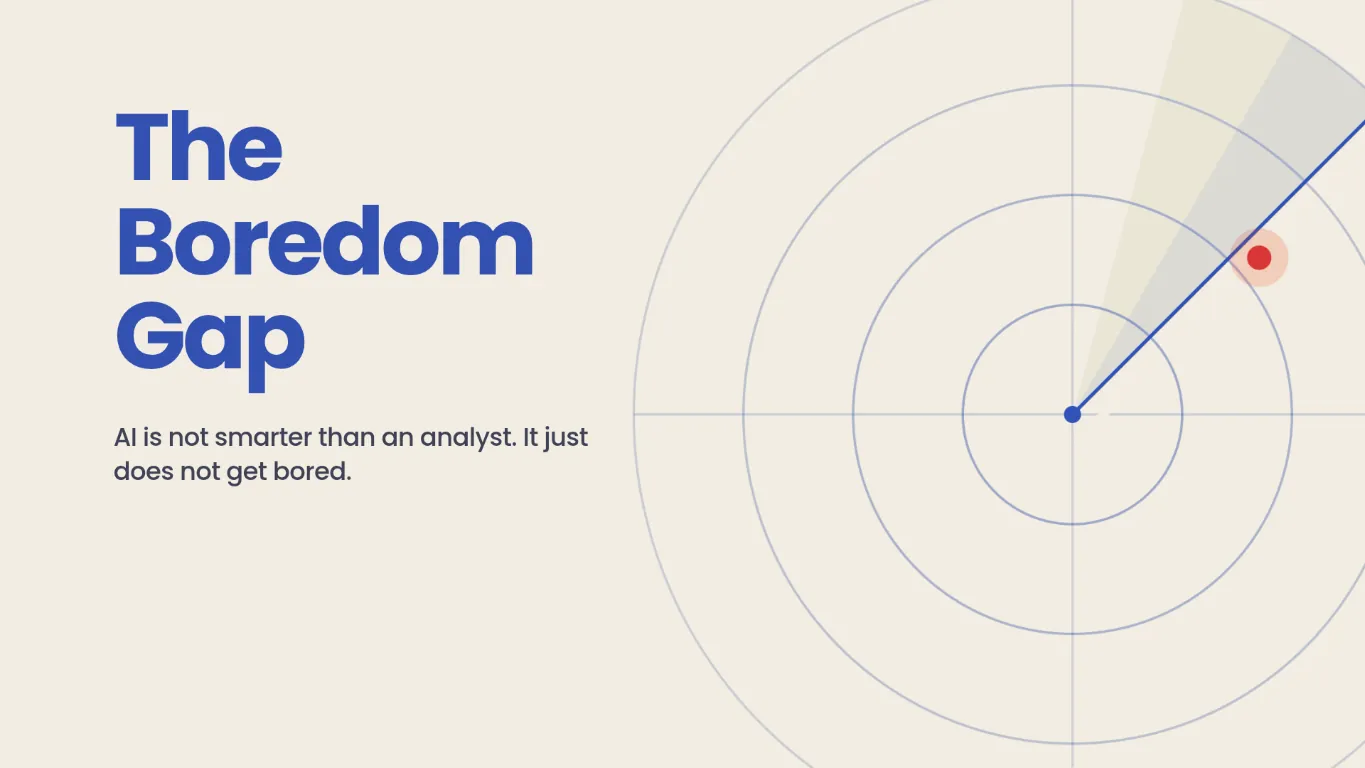
Call it the boredom gap: the distance between the work that actually prevents breaches and the work human beings can stay alert for. Most breaches live inside it. AI has just made it a lot wider.
Good security is a non-event#
When security works, nothing happens. No breach, no war room, no headlines. The output of a good security operations centre (SOC) is a quiet night, and nobody throws a party for a quiet night.
The work behind that quiet night is repetitive by nature. Confirming every log source is still sending data. Giving the 400th failed login the same care as the first. Rotating credentials. Retiring devices. Closing the checklist properly at 3 a.m., after fifty alerts in a row turned out to be noise.
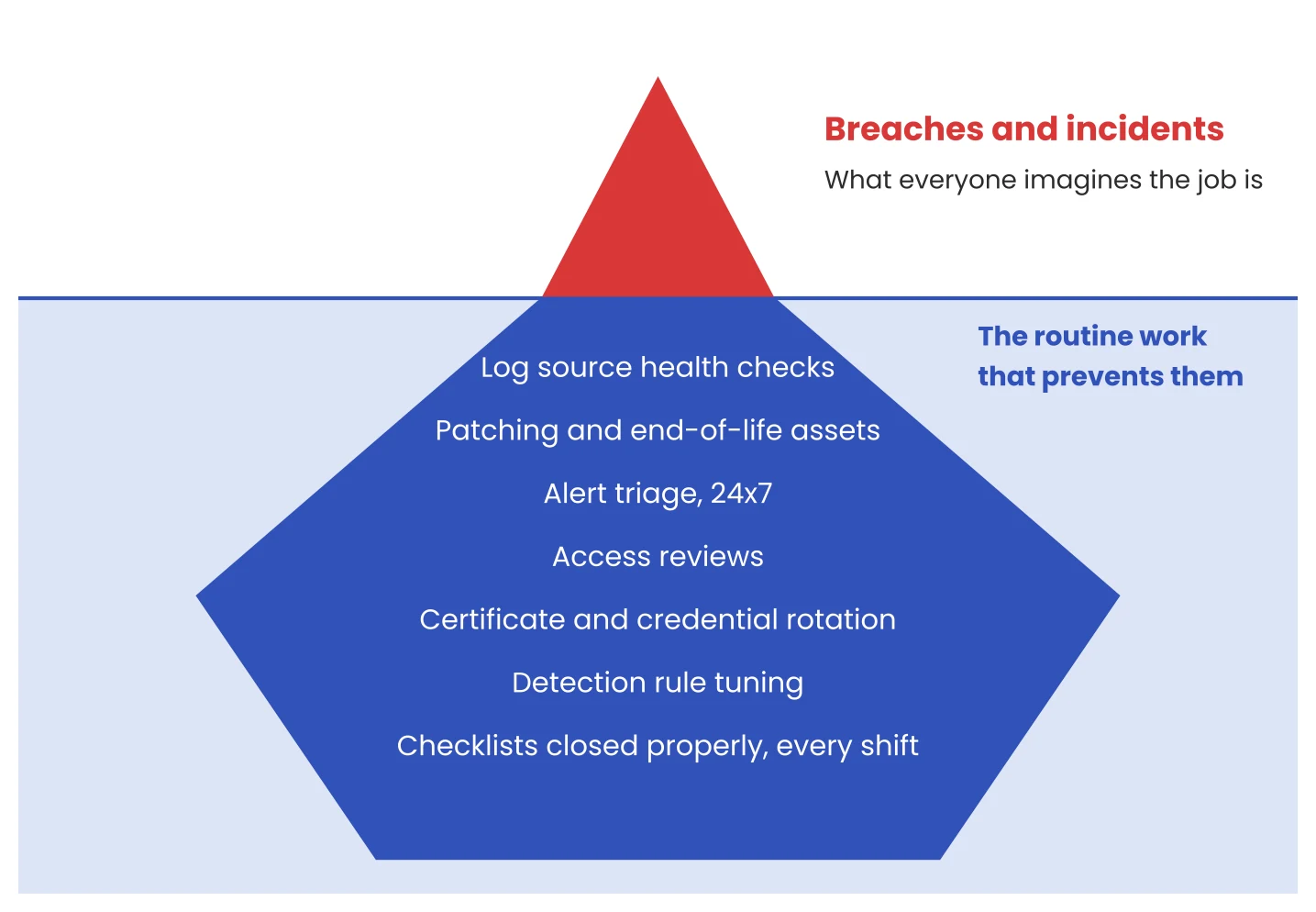
Figure 1. What people imagine the job is, and what actually prevents the breach.
Nobody teaches this discipline. It is temperament: the willingness to treat routine as if it matters, because it does. Most people cannot sustain it for long, and the smart, curious people we work hardest to hire struggle with it most. That is not a character flaw. It is how human attention is built.
Your brain was not built for the alert queue#
Attention runs out on a schedule#
During the Second World War, the Royal Air Force noticed radar operators missing submarine echoes late in their shifts. Psychologist Norman Mackworth built a test to find out why: a clock hand that ticked steadily and, now and then, jumped a double step. Observers caught fewer and fewer jumps, with the steepest drop inside the first thirty minutes. Researchers named it the vigilance decrement, and it has held up for nearly eighty years.
An analyst watching an alert queue is sitting Mackworth's clock test. All shift. Every shift.
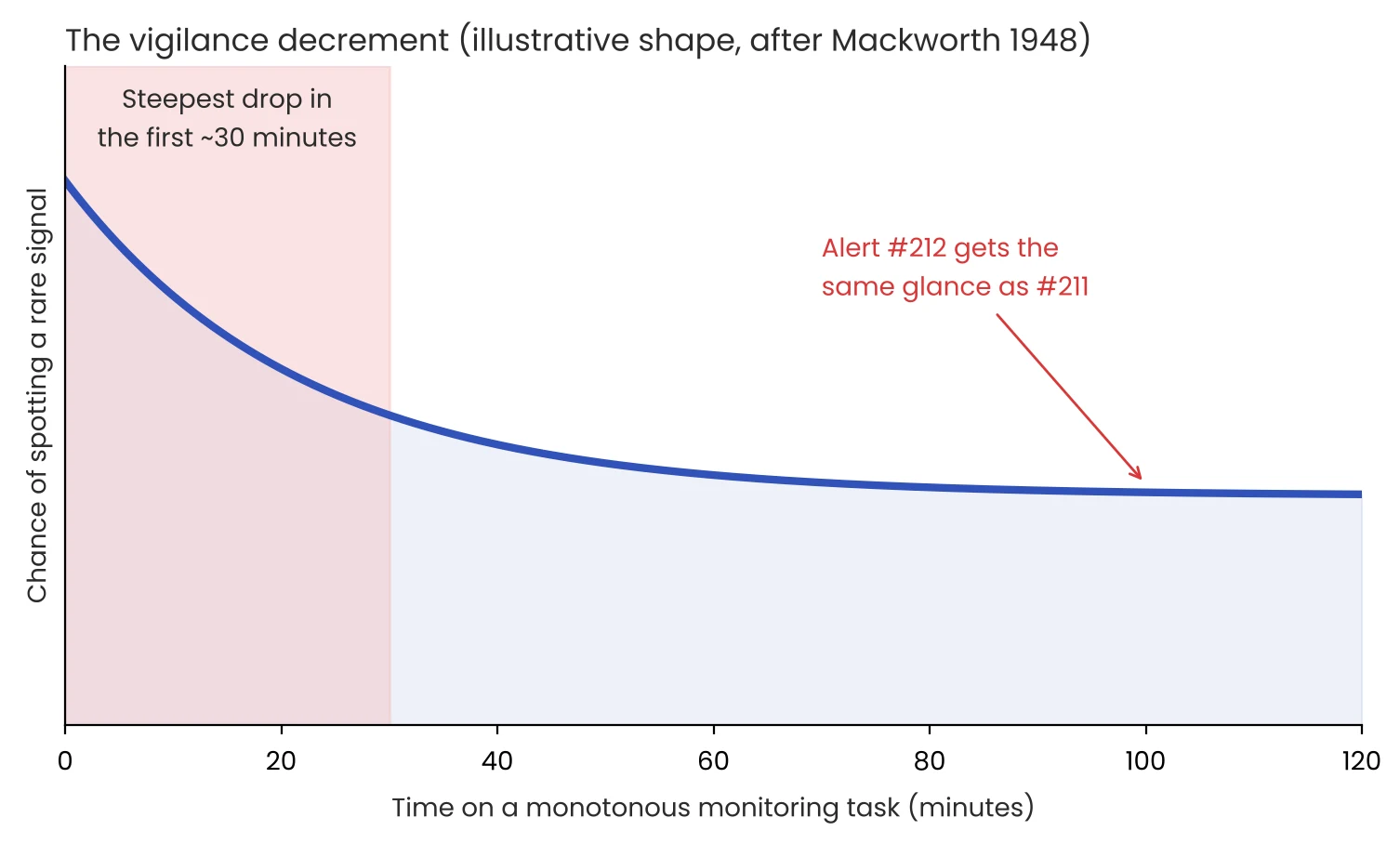
Figure 2. Human detection of rare signals falls off early on monotonous tasks. Shape is illustrative.
Boredom hurts, so people escape it#
STORY: THE SHOCK EXPERIMENT
In 2014, psychologists at the University of Virginia left volunteers alone in a bare room for 6 to 15 minutes with nothing to do but think. The room held one thing: a button that delivered a mild electric shock. Many had said beforehand they would pay to avoid that shock. Left alone with their thoughts, 67% of the men and 25% of the women pressed it anyway.
People will choose pain over nothing. Put that same person in front of a queue of near-identical alerts and every escape looks attractive: a chat window, another tab, a quick close as a false positive.
When the alarm keeps lying, people stop listening#
Psychologist Shlomo Breznitz studied the cry-wolf effect long before SIEMs existed. When most alarms are false, people learn to discount alarms. The SOC version is well documented. Vectra AI's research found teams receiving about 4,484 alerts a day and ignoring 67% of them, while 97% worried about missing a real event. Worry without capacity is where breaches live.
STORY: THE ALERTS THAT FIRED
In late 2013, Target's newly installed malware detection flagged the intruders stealing card data. The alerts reached the security team. They were not acted on in time, and around 40 million payment cards were compromised. The tool worked. The routine did not.
Four years later, Equifax had a tool inspecting its network traffic. Its security certificate had expired roughly 19 months earlier, so it was effectively blind. Once someone renewed the certificate, suspicious traffic showed up almost immediately. By then data on about 147 million people had already left. An expired certificate is about as boring as security gets.
Breaches rarely happen because a tool was missing. They happen because alert #212 got the same two-second glance as #211.
We hire hunters and hand them a queue#
The industry sells security careers as incident response and threat hunting. Then it hires curious, ambitious people and seats them in front of a triage queue. The best get bored and leave, or stay and quietly disengage. The ones who stay for the paycheck optimise for what the job measures: tickets closed. Investigations get shallow. Checklists get ticked, not checked.
Motivational posters will not fix this, and nobody should wish for incidents to keep a team engaged. The design is wrong. We ask humans to do machine work, then blame them for behaving like humans.
For lean teams the gap is wider still. A two- or three-person security function cannot watch every hour, and attackers know it. In Sophos's 2026 Active Adversary Report, 88% of ransomware payloads were deployed outside business hours. The quiet night is the attacker's favourite shift.
The other side hired machines that never get bored#
Human attackers used to share our limits. They got tired, kept office hours, made mistakes, and moved slowly enough that a diligent defender had time to catch up. AI has removed most of those limits.
CrowdStrike's 2026 Global Threat Report puts average eCrime breakout time, from first access to moving across the network, at 29 minutes. The fastest was 27 seconds, and activity by AI-enabled adversaries rose 89% year over year. In November 2025, Anthropic disclosed a state-sponsored espionage campaign against about 30 organisations in which its own coding agent, manipulated by the attackers, performed 80 to 90% of the tactical work, often firing several requests per second. In June 2026, Anthropic reported that its restricted Mythos model produced its first working Windows kernel exploit in 31 minutes, at roughly $2,000 per exploit in compute.
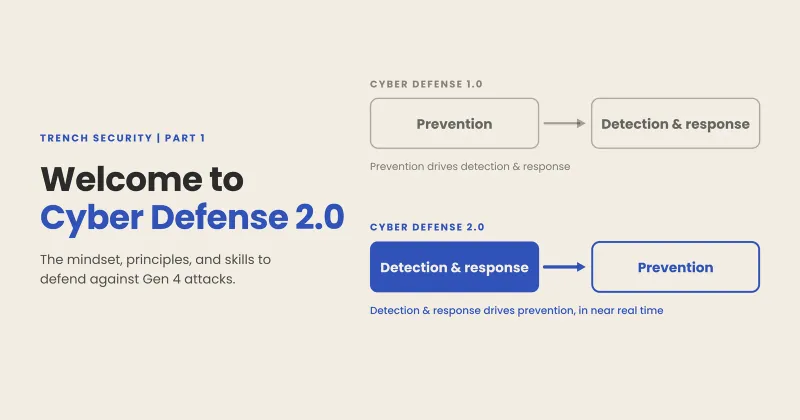
No human team works at that tempo. This is the shift we described in Welcome to Cyber Defense 2.0: attacks that run at machine speed against defences still paced by people, and the reason we can no longer defend like it is 2020.
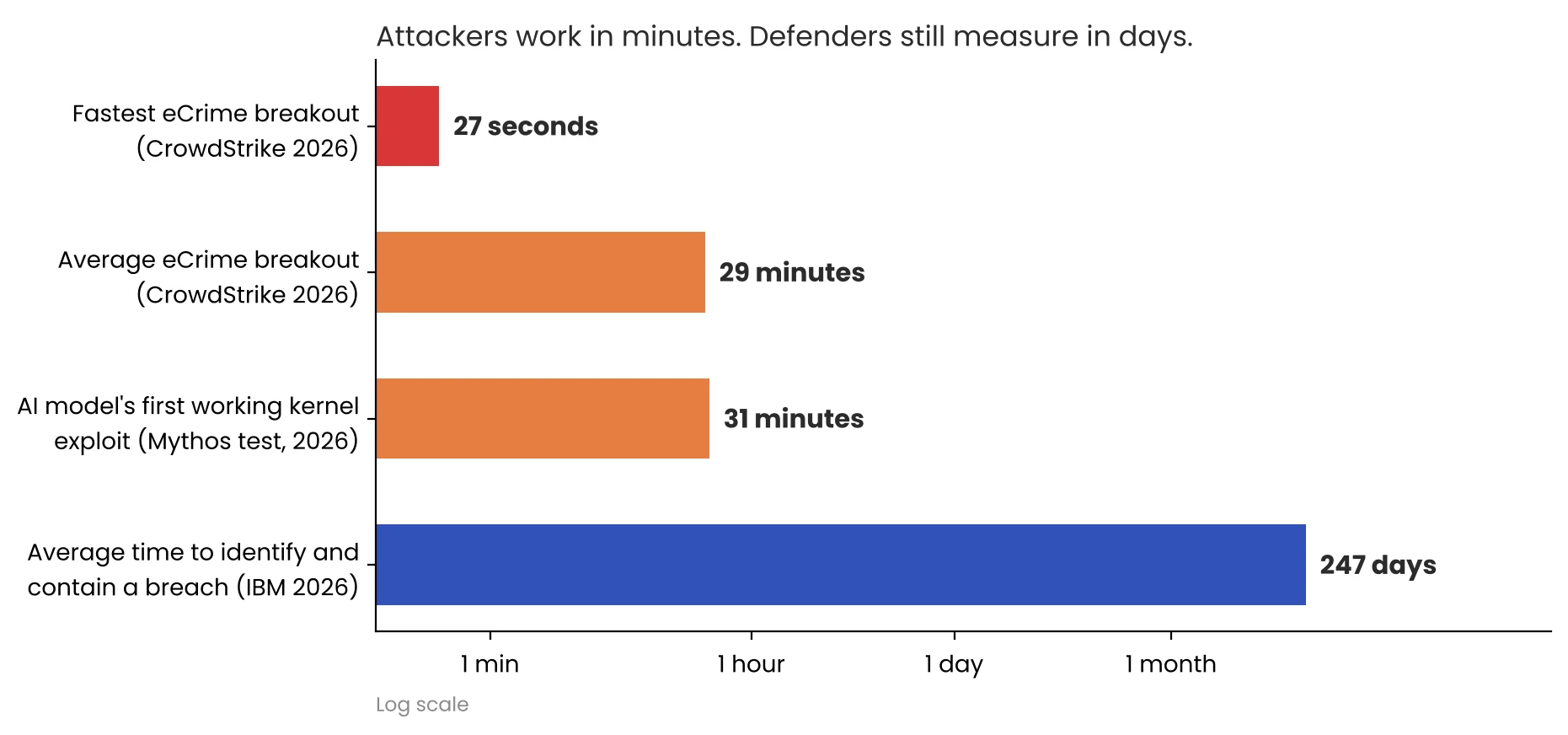
Figure 3. The speed gap. Note the log scale: each step is a factor of ten or more.
AI has also multiplied the boring work itself. Microsoft used AI to find flaws in its own software, and the patch queue exploded. September 2026 was already a record. October broke it by a wide margin.
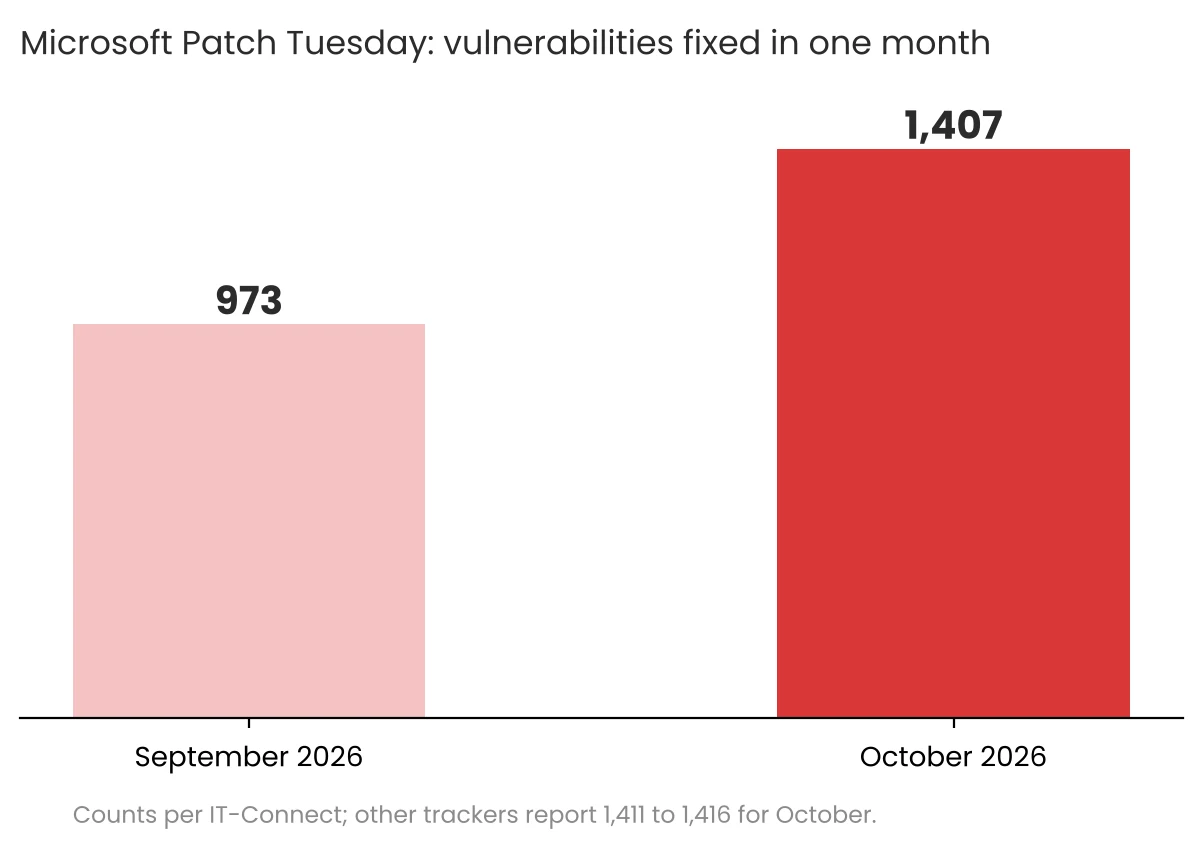
Figure 4. One vendor, one month. Someone still has to test, prioritise and deploy every fix. Counts per IT-Connect; other trackers report 1,411 to 1,416 for October.
Sit with what that means for a human patch team. The routine work that was already being skipped grew by almost half in a single month, while the time between a public fix and a working exploit shrank from weeks to hours.
Then there is the enterprise itself, which is quietly becoming agentic. Every AI agent a business deploys calls tools, touches data and acts on behalf of an identity, and every one of those actions lands in a log. Checking that each agent is still doing what it was built for, and nothing more, is the newest and largest boring job in security. No human team will ever read all of it.
What the gap costs#
IBM's 2026 Cost of a Data Breach Report, drawn from 602 breached organisations, puts a price on it. The global average breach cost reached a record $4.99 million, up 12%. One in four malicious breaches was AI-enabled, a 56% jump, and those cost around $6 million each. The average time to identify and contain a breach rose to 247 days, the first increase in five years.
The counterweight sits in the same report. Organisations using security AI and automation extensively cut breach costs by $1.93 million and shortened the breach lifecycle by 65 days. Yet one in four organisations still has not adopted these tools in security operations.
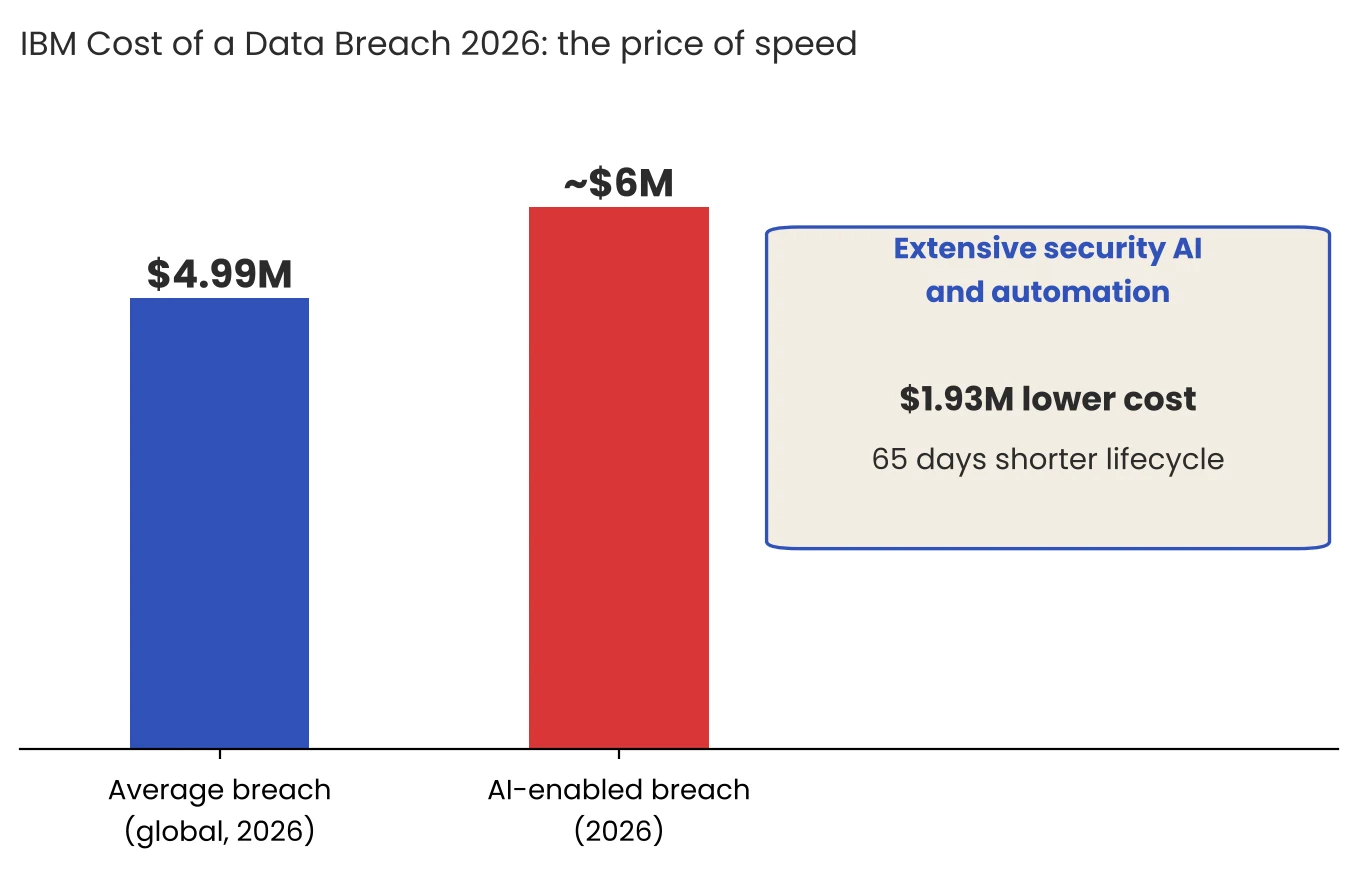
Figure 5. AI makes attacks cheaper and breaches costlier. Defensive AI is the clearest counterweight.
Attacks are getting faster and cheaper to launch. Breaches are getting slower and costlier to fix. A defence that depends on humans staying alert through repetitive work is meeting machine speed with the wrong tool.
Why we did not automate this years ago#
We tried. I resisted automation for a long time, and for good reason. Scripted automation, from SOAR playbooks to custom parsers and correlation scripts, was brittle. A log format changed and a parser broke. An API updated and an integration broke. Every new edge case meant more code. Plenty of automation projects needed as many engineers to keep alive as the work they replaced. Teams ended up maintaining the automation instead of doing security. We wrote about why static playbooks break in Skills vs. Playbooks.
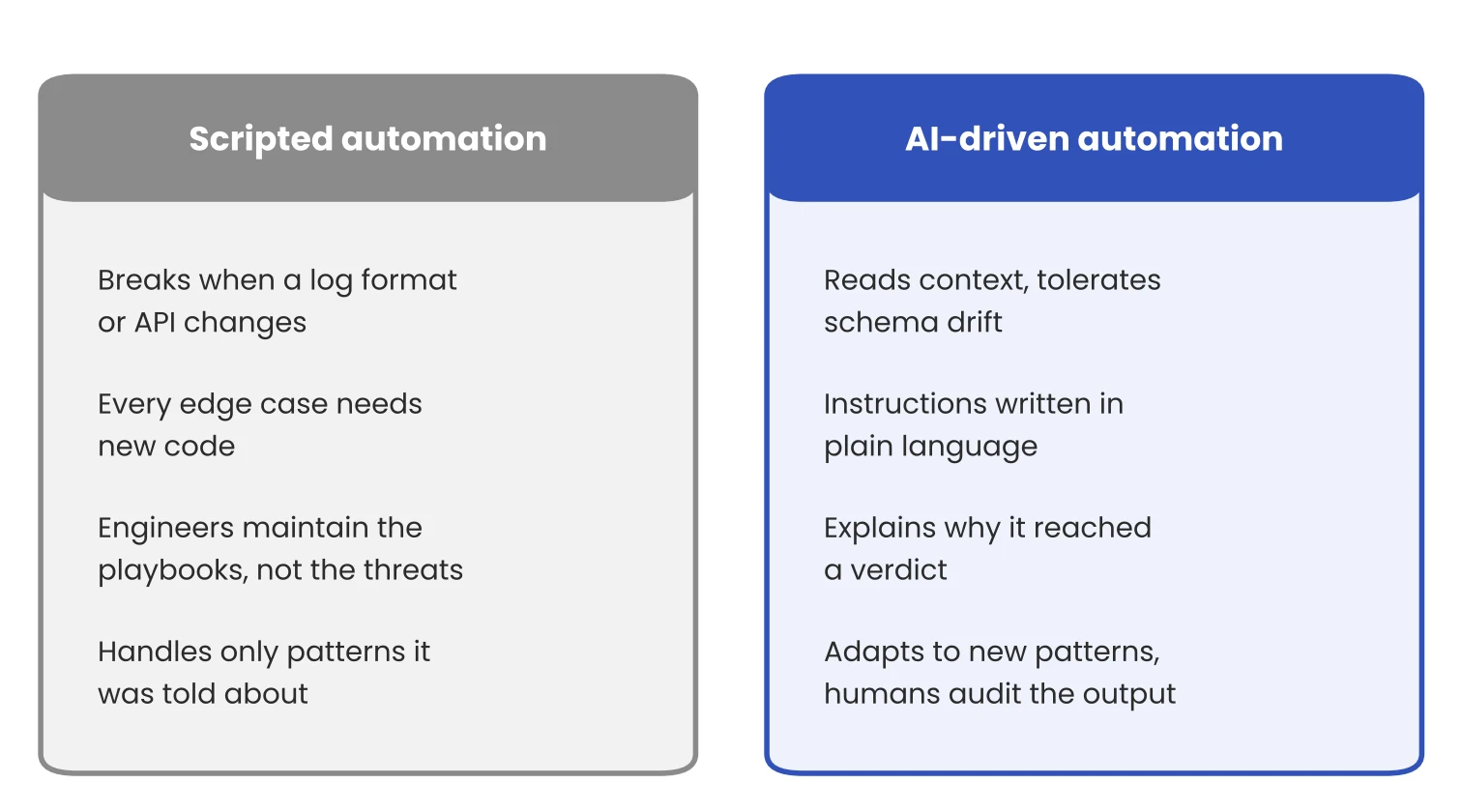
Figure 6. Scripted automation shifted the maintenance burden. AI-driven automation shifts the work itself.
AI changes the equation. A model reads a log the way an analyst does. It copes with messy, shifting formats, follows context, and can explain why it reached a verdict. Maintenance moves from rewriting code to refining instructions in plain language. And it gives alert #4,000 at 3 a.m. the same attention as alert #1 at 9 a.m.
That is the real breakthrough. Not that AI is smarter than an analyst, but that it does not get bored.
Tireless is not the same as thorough#
Tireless alone is not enough. An AI that reads each alert in isolation just makes the cry-wolf problem run faster. None of the freezer controllers looked alarming one event at a time. What made them dangerous was context: an end-of-life device, facing the internet, with a vendor advisory nobody had acted on.
That is the principle we build Trench around. Signal Memory keeps a long-term behavioural baseline for every entity, so the machine judging alert #4,000 still remembers what normal looked like months ago. Intent Graph based detection asks what each identity, device and agent is for, and flags behaviour that drifts from that purpose instead of waiting for a known signature. Headless SecOps delivers the outcome as a decision with its evidence attached, inside Slack or Teams, rather than as one more dashboard tile a tired human has to notice at 3 a.m. The reasoning behind that design is in The Agent Is Not the Product. The Foundation Is. and Introducing Headless SecOps.
The new deal: where the humans go#
None of this means replacing people. It means moving them to the work that genuinely needs a human brain, which happens to be the work smart people want to do. Threat hunting, looking for what no rule has caught yet. Detection engineering, deciding what suspicious should mean for this particular business. Incident command, making calls under pressure when something real happens. And auditing the machine: sampling its verdicts, challenging its reasoning, and correcting it.
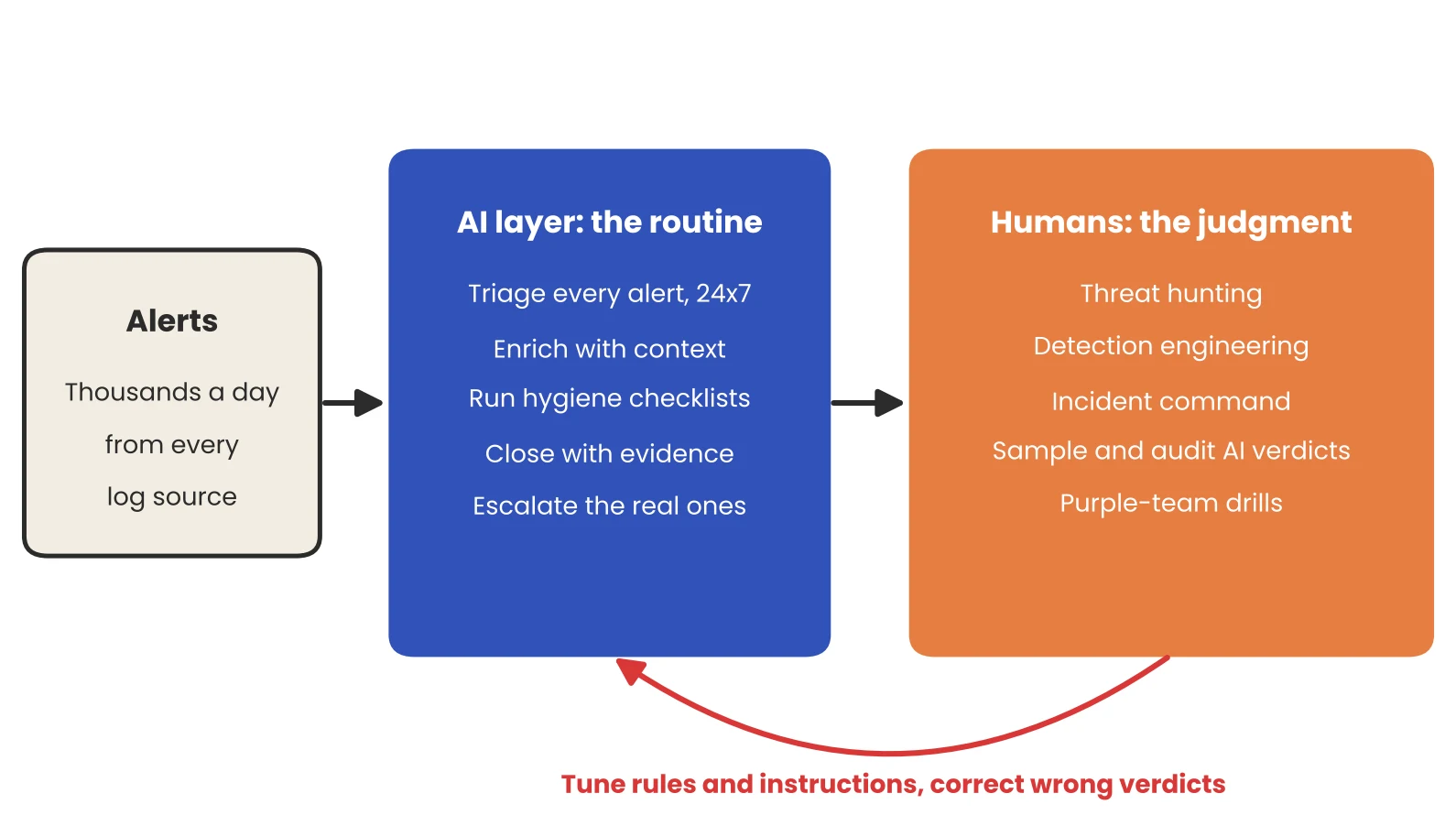
Figure 7. The operating model: AI covers every alert, humans steer, and every correction makes the AI better.
Design the human in, not left over#
In 1983, engineering psychologist Lisanne Bainbridge described the ironies of automation. The more a system automates, the less practice its humans get, and the more critical their rare interventions become. Pilots on autopilot are the textbook case. An AI-run SOC carries the same risk.
AI also makes confident mistakes. The agent in that 2025 espionage campaign frequently hallucinated results its own operators had to check. Defensive AI is no different. So the human role has to be engineered on purpose. Review a random sample of closed alerts every week, not only the escalated ones. Run purple-team drills so people stay sharp on real attack paths; our guide to offensive validation and tuning lays out how. Keep every AI verdict explainable, with the evidence attached. And make analysts the owners of the instructions the AI follows, so they understand the environment because they wrote its playbook.
This division of labour is the operating model at the heart of Cyber Defense 2.0. Machines carry the vigilance that humans cannot sustain. Humans carry the judgment that machines cannot be trusted with alone. Each makes the other better: every human correction sharpens the machine, and every hour the machine absorbs returns attention to the human. Part 2 of the series shows how we apply it across the data, control and action planes.
Back to the freezers#
Picture that supermarket chain with a machine doing the boring work. Every night it checks every connected controller against vendor advisories. It flags the end-of-life units still facing the internet. It notices a defrost cycle set to eight hours instead of one and raises it at 2 a.m., no coffee required. A human makes the call: isolate, replace, or accept the risk.
Nobody gets promoted for that either. That is the point. The freezers stay cold, the night stays quiet, and the people who would have been staring at a queue spend their attention where it counts.
Cybersecurity done right is boring. Let the machines be bored, so your people do not have to be.
Trench fixes your blind spots in minutes.
See it liveDiscussion (0)
No comments yet. Be the first to start the discussion!